Best Blush Type for Your Routine and Finish
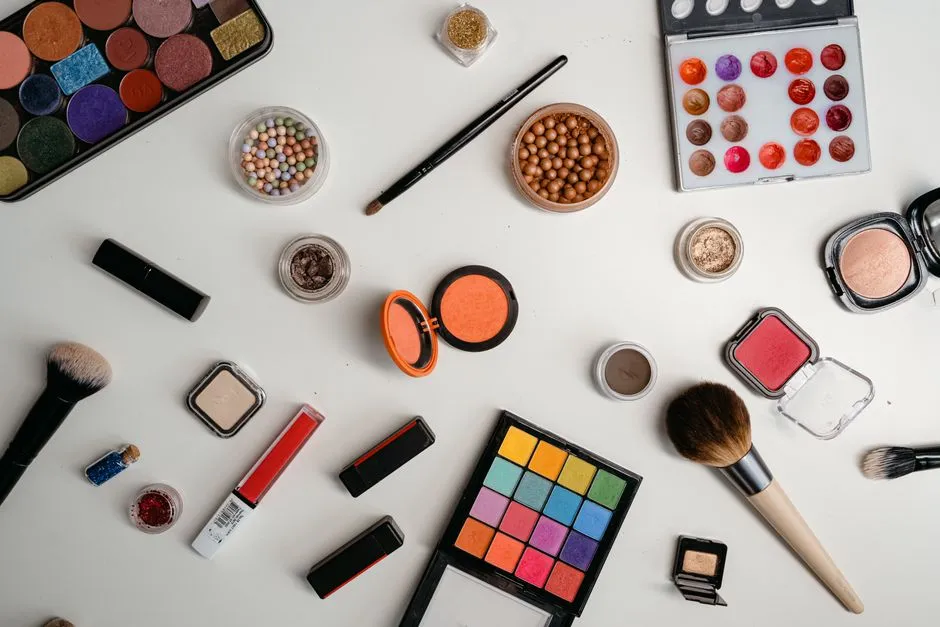
Best overall for control: pressed powder
Pressed powder is the best blush type for most beginners who want to build color gradually, adjust placement, and use a separate washable brush. A cream stick wins for portability, liquid suits people comfortable measuring tiny amounts, and balm delivers a deliberately emollient sheen.
Those are format recommendations, not claims that every formula behaves alike. We compared control, tools, finish, portability, layering, package hygiene, and the likelihood of applying too much before the mirror can file an objection.
| Blush format | Best for | Why choose it | Worth knowing |
|---|---|---|---|
| Pressed powder | Beginners and gradual color | Easy to pick up lightly and build | Needs a brush; can look dry over some bases |
| Cream stick | Fast, portable routines | Direct placement and compact package | Direct contact can transfer oil or product residue |
| Liquid | Concentrated, adjustable mixing | A small amount can cover a broad area | Easy to overapply; may set quickly |
| Balm | Glossy, emollient finish | Creates visible sheen with simple tapping | May remain tacky and move underlying makeup |
Best overall: pressed powder
Why: A pressed pan and medium fluffy brush make dosage visible. Tap the brush lightly, remove excess against the edge of a clean tissue if needed, and build in thin layers. Powder can also be placed after complexion products have settled, reducing the temptation to blend every layer simultaneously.
Check the shade, finish, ingredient declaration, package closure, and whether the product is approved for the intended face area. Matte, satin, and shimmer powders reflect light differently; “powder” alone does not define the final look.
Worth knowing: A brush is another tool to buy, clean, dry, and store. Powder may grip unevenly to a damp or tacky base and can emphasize surface texture depending on formula and application. Very fragile compacts may not enjoy luggage, gravity, or the dramatic bottom of a handbag.
Best for quick application: cream stick
Why: A twist-up stick combines product and applicator, making it convenient for a short routine or small makeup bag. For more control and hygiene, transfer a little product to a clean fingertip or brush rather than repeatedly dragging the stick over multiple areas.
Cream usually responds well to tapping, which can preserve the base better than long swipes. Verify whether the manufacturer recommends application directly from the package and how the surface should be kept clean.
Worth knowing: Direct contact can transfer skin oil, base makeup, or contaminants onto the stick. Heat can soften some formulas, and a cap that loosens in a bag is not a beauty innovation. Store it as directed and inspect any change in smell, color, texture, or package function.
Best for tiny customizable amounts: liquid
Why: A liquid drop or dot can be divided across the face and mixed on a clean palette for controlled placement. This suits users who already understand the formula's concentration and setting time. Some liquids blend readily; others need quick, decisive tapping.
Apply less than the social-media demonstration appears to request. Lighting, camera exposure, editing, and sponsored technique can make the shown amount irrelevant to ordinary use.
Worth knowing: Liquid is easy to overapply and can spill. Droppers should not touch skin, and applicators should return to the tube only as the manufacturer intends. Never add water or saliva to thin a product; the safe-routine guides take contamination more seriously than rescuing the final millimeter.
Best for an emollient sheen: balm
Why: Balm blush emphasizes glow and can be tapped on with clean fingers or a suitable tool. It is a good editorial pick when visible sheen is the goal rather than something to powder away afterward.
Check whether the product is a tinted balm intended for cheeks, and follow its area-of-use instructions. Multipurpose claims should come from the label, not the fact that a stick happens to fit near both lips and eyes.
Worth knowing: A balm may remain tacky, catch hair, shift foundation, or wear differently in heat. An emollient feel does not prove it moisturizes, repairs, or treats skin. Those would be separate claims requiring appropriate support.
Use a four-question buying filter
Before purchasing, ask:
- What finish do I want: matte, satin, shimmer, or glossy?
- Which tool will I actually use and clean?
- Does the package suit home storage or travel?
- Can I verify the ingredient list, directions, seller terms, and return policy?
The beauty-buying guides do not assign a format by “skin type” as though one word predicts every formula. Personal comfort, existing products, allergies, desired appearance, and technique matter.
Read the label and spot-test new makeup before broad use. The best blush is the format that creates the intended finish with a routine you can repeat safely—not the one whose shade name most convincingly suggests a weekend in Tuscany.